

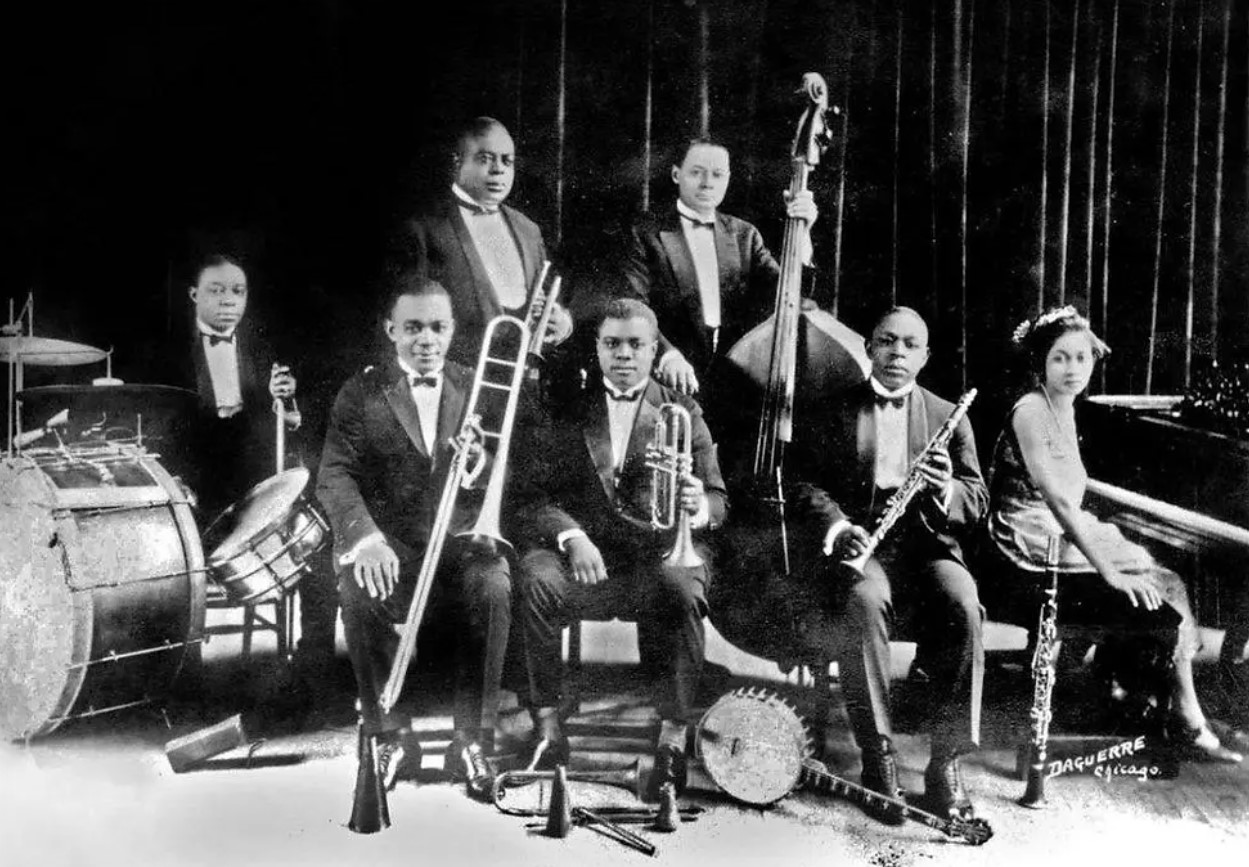
The Harlem Renaissance was one of the most electrifying periods in American cultural history — and at the very heart of it was music. From the smoky jazz clubs on 135th Street to the grand ballrooms of the Cotton Club, Harlem Renaissance music didn’t just entertain. It transformed American identity, challenged racial injustice, and gave Black artists a global stage for the first time. Understanding this era means understanding how modern American music — jazz, blues, gospel, and beyond — came to be.
What Was the Harlem Renaissance?
The Harlem Renaissance was a flourishing of African American intellectual, artistic, and social thought that took place primarily between the early 1920s and the mid-1930s. Centered in the Harlem neighborhood of New York City, it brought together writers, painters, poets, and — above all — musicians who reshaped what it meant to be Black in America.
The Great Migration had carried hundreds of thousands of African Americans from the rural South to northern cities, and Harlem became the cultural capital of this new urban Black identity. Music was its most powerful and far-reaching language.
The Sound of a Movement: Jazz and the Harlem Renaissance
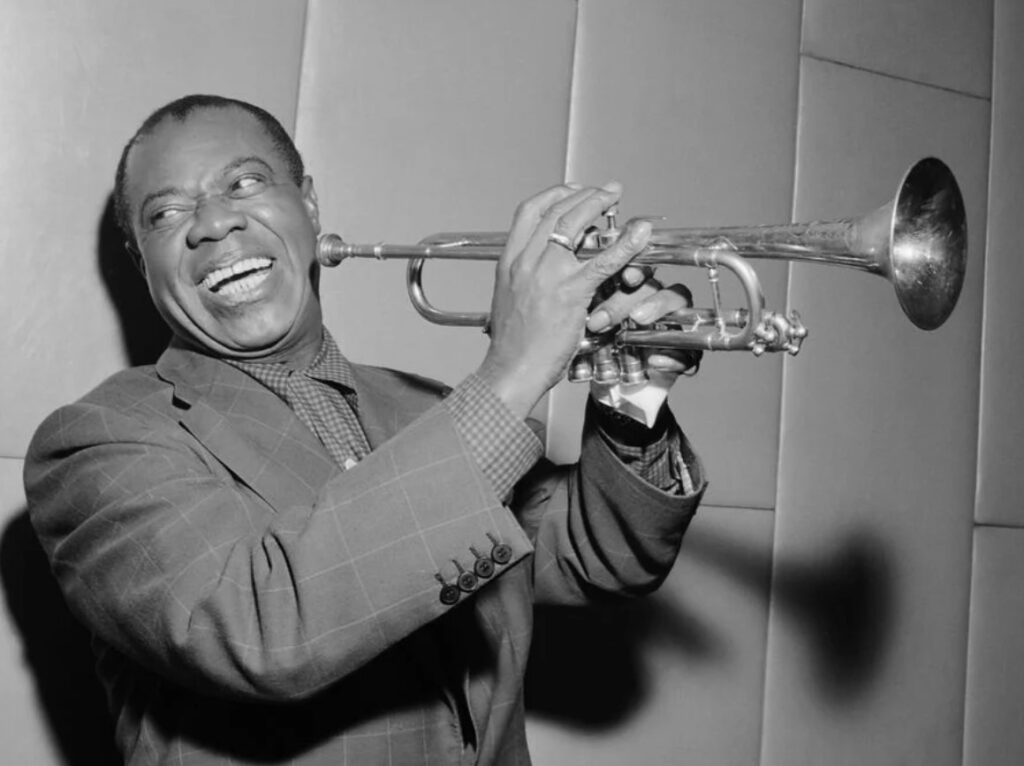
When most people think of Harlem Renaissance music, jazz is the first word that comes to mind — and rightly so. Jazz, born in New Orleans, found its most glamorous expression in Harlem. Clubs like the Cotton Club, Savoy Ballroom, and Small’s Paradise became legendary venues where Black musicians played for mixed and segregated audiences alike, often under contradictory and unjust conditions.
Duke Ellington stands as perhaps the defining musical figure of the era. His sophisticated compositions — blending swing rhythms, blues harmonics, and classical orchestration — elevated jazz into an art form that demanded respect. His decade-long residency at the Cotton Club (beginning in 1927) was broadcast on national radio, making his sound familiar in living rooms across America.
Louis Armstrong, though rooted in Chicago, was deeply connected to the Harlem scene. His virtuosic trumpet playing and charismatic stage presence pushed jazz into new improvisational territory. Armstrong demonstrated that Black artistry could command mainstream attention without compromise.
Other giants of the era include Fats Waller, whose stride piano style became a Harlem signature, and Fletcher Henderson, whose big band arrangements helped define the sound of the Swing Era that followed.
The Blues: Sorrow Songs Made Powerful
Alongside jazz, the blues carried enormous weight during the Harlem Renaissance. Where jazz dazzled with complexity and energy, the blues spoke directly to the experience of suffering, resilience, and survival.
Bessie Smith, widely regarded as the “Empress of the Blues,” was one of the most commercially successful recording artists of the 1920s. Her voice — raw, commanding, and emotionally devastating — gave form to the pain of poverty, discrimination, and heartbreak. She recorded prolifically for Columbia Records and sold hundreds of thousands of records during an era when Black artists rarely crossed over into mainstream markets.
Ma Rainey, Smith’s mentor and predecessor, brought the blues to Harlem audiences with a theatricality that foreshadowed modern performance art. Both women also brought queer identity into their music in subtle but historically significant ways, further expanding the cultural scope of the era.
The blues of the Harlem Renaissance was not simply sorrowful — it was subversive. Singing openly about desire, injustice, and Black life was a political act in an America still gripped by Jim Crow laws and racial violence.
Gospel and Sacred Music: Spirit and Community
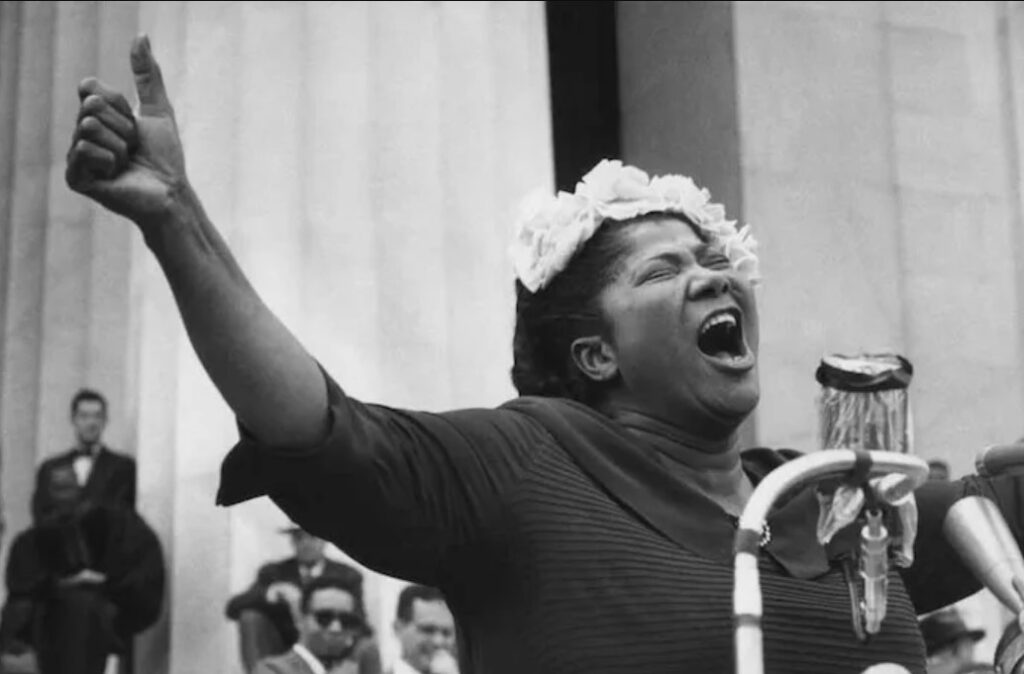
The church was the backbone of the Great Migration community, and gospel music was its soundtrack. While jazz and blues thrived in clubs, gospel filled the pews of Harlem’s many churches, offering spiritual sustenance to communities navigating extraordinary upheaval.
Thomas A. Dorsey, often called the “Father of Gospel Music,” fused blues rhythms and chord structures with religious lyrics in the late 1920s and 1930s, creating a new genre that would eventually influence soul, R&B, and rock and roll. Gospel choirs in Harlem churches helped build community solidarity and, importantly, trained generations of singers who would go on to secular fame.
The Role of the Recording Industry and Radio
The Harlem Renaissance coincided with a revolution in media. The 1920s saw the explosive growth of commercial radio and the recording industry — and Black artists were both exploited and empowered by these new technologies.
The emergence of “race records” — recordings marketed specifically to Black audiences — gave artists like Bessie Smith and Louis Armstrong mass audiences they could never have reached through live performance alone. Labels like OKeh Records and Columbia’s “race” division made Harlem Renaissance music a commercial phenomenon.
Radio broadcasts from Harlem’s top venues also introduced white audiences to Black music in ways that challenged — though didn’t eliminate — racial segregation in entertainment. The tension between cultural appreciation and appropriation that defined this era continues to resonate in contemporary music conversations.
Harlem Renaissance Music’s Lasting Legacy
The influence of Harlem Renaissance music is immeasurable. Nearly every genre of popular American music owes a direct debt to this period:
- Rock and roll grew from the blues traditions pioneered by Bessie Smith and Ma Rainey.
- Soul and R&B drew directly from gospel music and the emotional expressiveness of jazz.
- Hip-hop, born in the Bronx decades later, consciously claimed the Harlem Renaissance as a cultural ancestor.
- Broadway and musical theater were permanently transformed by the sophistication of Harlem’s orchestral and compositional styles.
Beyond influence, Harlem Renaissance music established a critical principle. That Black artistic expression was not a subcultural phenomenon but a central pillar of American civilization. This assertion — made through sound, performance, and sheer artistic brilliance — was revolutionary in its time and remains meaningful today.
Why Harlem Renaissance Music Still Matters
Studying Harlem Renaissance music is not an exercise in nostalgia. It is an essential key to understanding American culture, racial history, and the enduring power of art as resistance. The musicians of this era — under conditions of systemic racism, economic hardship, and social upheaval. Produced some of the most sophisticated, emotionally resonant, and culturally significant music ever recorded.
Their work reminds us that creativity thrives not despite adversity, but often because of it. And it challenges every generation to ask: whose voices are being amplified, and whose are being silenced?
The answer, in Harlem in the 1920s, was unmistakable. The music was loud, clear, and impossible to ignore — and the world has never been the same.
