

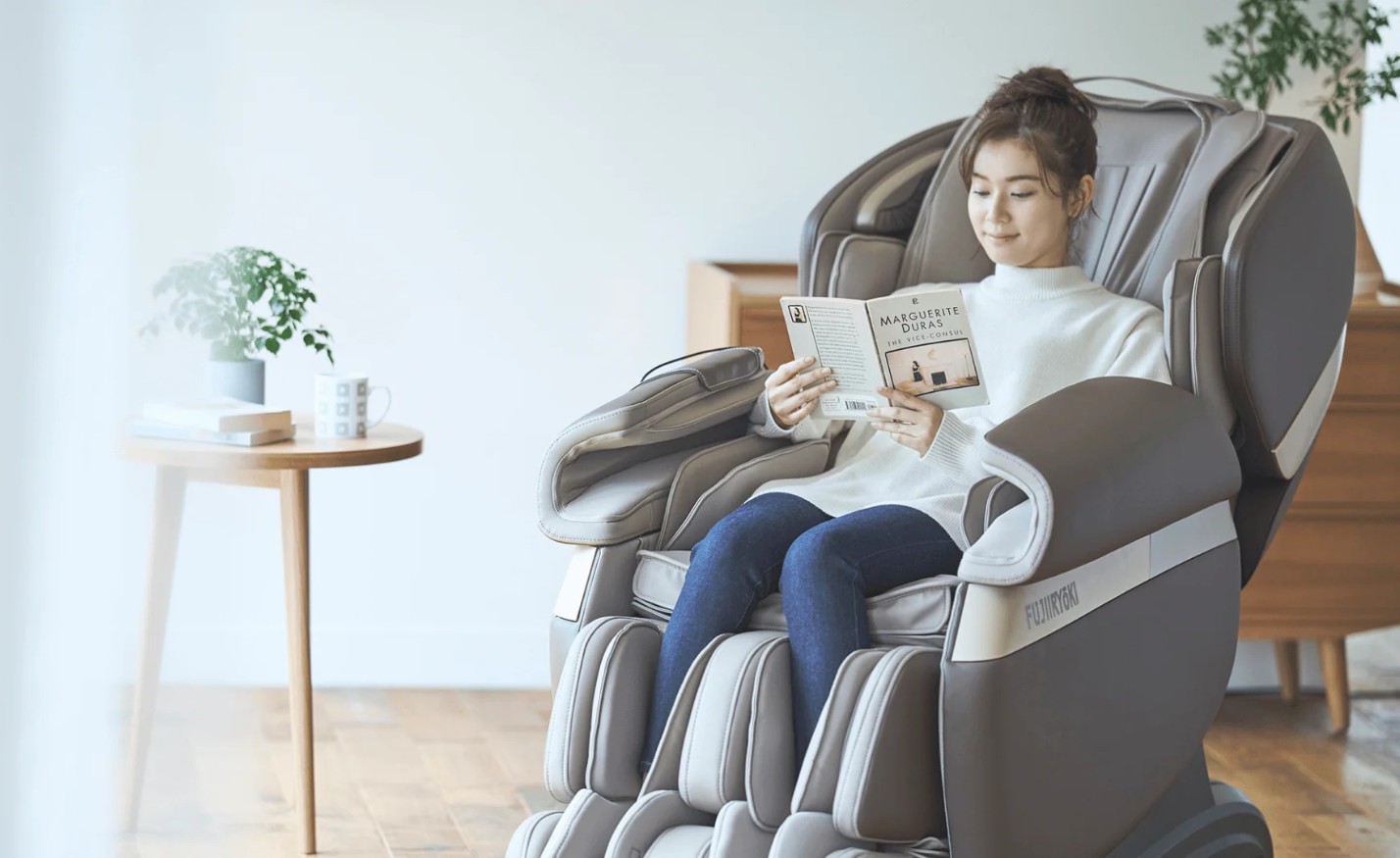
A good massage chair does not simply feel luxurious — it can genuinely reduce muscle tension, ease chronic back pain, and lower the kind of everyday stress that quietly erodes quality of life. Here is everything you need to know before buying one.Published June 2026 | Expert-reviewed
There is a reason massage chairs have moved from hotel lobbies and airport lounges into living rooms across the world. But with hundreds of models on the market, and prices ranging from a few hundred dollars to well over ten thousand, picking the right one without guidance is a real challenge.
This guide draws on years of hands-on experience reviewing massage chairs and consulting with physiotherapists to give you an honest, thorough picture of what these devices offer, how they work, and what actually matters when you are deciding to buy one.
What Are Massage Chairs and How Do They Work?
Massage chairs are motorised recliners equipped with a network of rollers, airbags, vibration motors, and heating elements that mimic the techniques used by professional massage therapists. Inside the backrest, a track — either S-shaped or L-shaped — guides rollers that travel up and down the spine, applying pressure to key points along the way. Airbags embedded in the armrests, calves, and footrests inflate and deflate in rhythmic sequences to compress and release muscle groups.
Modern chairs go far beyond simple vibration. High-end models incorporate 3D and 4D roller systems that move not only vertically but also horizontally and outward from the backrest, adjusting intensity in real time. Body scanning technology — a standard feature in mid-range and premium chairs — maps the height, weight, and curvature of your spine so that the rollers reach exactly the right spots rather than pressing blindly.
Health Benefits of Massage Chairs: What the Evidence Says
Regular use of a massage chair is associated with several measurable health benefits. Below are the most well-supported outcomes.
Back Pain Relief
Lower back pain is one of the most common reasons people invest in a massage chair. The kneading and rolling action of lumbar rollers helps break up muscle knots, improve local blood flow, and reduce the muscle guarding that worsens chronic pain. Physiotherapists often recommend massage chair sessions as a complementary therapy alongside stretching and strengthening exercises — not as a standalone cure, but as a tool that makes the rest of recovery more manageable.
Stress and Cortisol Reduction
Tactile pressure stimulates the parasympathetic nervous system — the part of your body responsible for the “rest and digest” response. Studies on massage therapy consistently show reductions in cortisol (the primary stress hormone) and corresponding increases in serotonin and dopamine after sessions. A fifteen-minute zero-gravity recline in a heated massage chair after a demanding workday produces a noticeably calming effect that many users describe as comparable to a short meditation session.
Improved Circulation
The rhythmic compression from airbags — particularly around the calves and feet — acts similarly to a venous pump, encouraging blood flow back toward the heart. This can be especially valuable for people who sit at a desk all day or experience mild oedema in their lower legs. Heat therapy, available in most mid-range chairs, dilates blood vessels and compounds this circulatory benefit.
Better Sleep Quality
Using a massage chair for twenty to thirty minutes in the evening has been reported anecdotally — and is supported by limited but promising research — to shorten sleep onset time and improve subjective sleep quality. The combination of muscle relaxation, lowered cortisol, and the gentle rocking effect of some roller programs appears to prime the body for deeper rest.
Types of Massage Chairs: Finding the Right Category for You
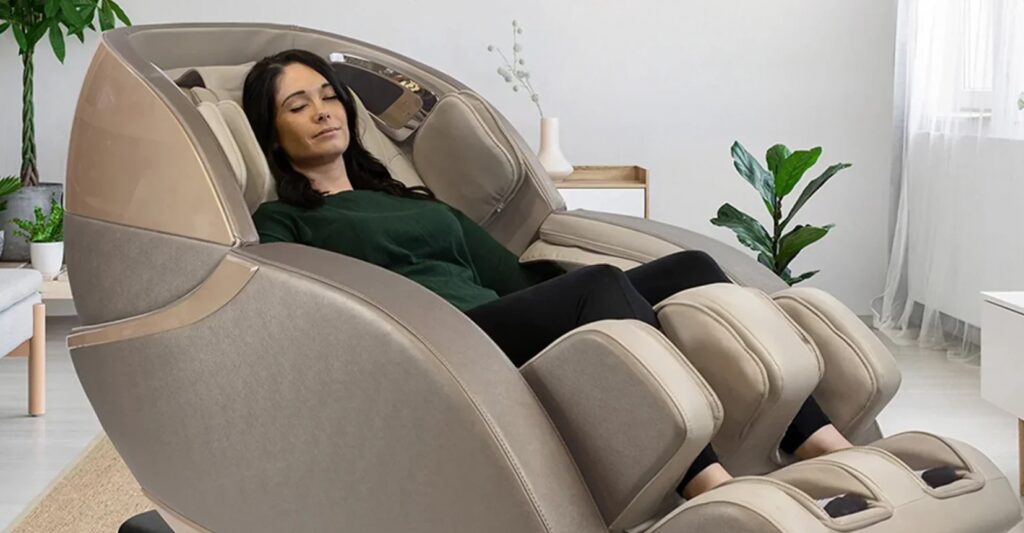
Not all massage chairs are built the same. Understanding the main categories will save you from spending either too little or far too much.
- Entry-Level Chairs (Under $500): Primarily vibration-based with limited roller coverage. Suitable for casual use and light relaxation, but unlikely to address chronic pain or tight deep muscles.
- Mid-Range Chairs ($500–$2,500): The sweet spot for most buyers. These chairs typically include S-track or L-track roller systems, body scanning, zero-gravity recline, and airbag massage. Brands like Kahuna and Osaki offer solid options at this price point.
- Premium Chairs ($2,500–$6,000): 4D roller systems, voice control, Bluetooth audio, and advanced stretch programs are common here. Massage intensity is more convincingly human-like, and build quality is substantially higher.
- Luxury Chairs ($6,000+): Medical-grade pressure, full-body coverage including the neck and shoulders, AI-driven personalisation, and premium materials. Brands like Inada, Panasonic, and Luraco sit at the top of this segment.
Key Features to Look for When Buying a Massage Chair
Track Type: S-Track vs L-Track
An S-track follows the natural S-curve of your spine, covering the neck to the tailbone. An L-track extends further, curving under the seat to cover the glutes and hamstrings. For people with lower back or sciatic pain, an L-track provides meaningfully better coverage. If your concern is primarily neck and upper back tension, either design works well.
Zero-Gravity Recline
Inspired by NASA research, the zero-gravity position reclines the chair so your knees are elevated above your heart. This posture distributes your body weight evenly across the backrest, reducing spinal compression and allowing the rollers to work more deeply with less counter-pressure. If you are buying a massage chair for back pain or general decompression, zero-gravity recline is a non-negotiable feature.
3D vs 4D Rollers
Standard 2D rollers move up and down the track. 3D rollers add an outward dimension, allowing them to press more deeply into muscles. 4D rollers take this further by varying the speed and rhythm of that outward pressure automatically, creating a sensation much closer to a human therapist’s hands. The difference is tangible — if you have tried both, you will notice it immediately.
Body Scanning Technology
Body scanning detects your shoulder height and spinal shape before each session and adjusts roller placement accordingly. Without it, shorter or taller users often find that rollers miss target areas entirely. This feature is worth prioritising even in a mid-range budget.
Who Should and Should Not Use a Massage Chair
Massage chairs are appropriate for most healthy adults. However, certain conditions require caution or professional advice before use. Avoid massage chairs — or consult your doctor first — if you have deep vein thrombosis, osteoporosis, a recent fracture or surgery, a pacemaker, or are in the first trimester of pregnancy. The deep pressure and heat can aggravate some inflammatory conditions, such as an active flare of rheumatoid arthritis.
For healthy users, the most common mistake is overuse. Starting with fifteen-minute sessions every other day allows your muscles to adapt. Longer or daily sessions too early can leave you feeling sore rather than refreshed.
Practical Tips to Get the Most from Your Massage Chair
- Hydrate before and after each session. Massage accelerates lymphatic drainage, and being well-hydrated helps flush metabolic waste from muscle tissue.
- Use the chair at the same time each day. Morning sessions can loosen stiff muscles after sleep; evening sessions help decompress after work. Consistency amplifies the benefits.
- Engage the heat feature for ten minutes before the rollers begin. Warmed muscles are more pliable and respond better to deep tissue pressure.
- Focus on breathing. Slow, deliberate exhales during roller passes on tense areas help your nervous system release rather than guard against the pressure.
Final Thoughts: Is a Massage Chair Worth It?
A massage chair is not a luxury purchase for everyone, but for people who carry stress physically — tight shoulders, chronic lower back stiffness, poor sleep — it can deliver a return on investment that a gym membership or occasional spa visit simply cannot match on a per-session basis. A quality mid-range chair used three times a week costs pennies per session over a five-year lifespan and is available at ten at night when no spa is open.
The key is choosing thoughtfully. Match the chair to your primary goal — stress relief, back pain, athletic recovery, or sleep improvement — and prioritise the features that serve that goal rather than chasing the longest feature list. Try before you buy when possible, since the feel of rollers and the quality of airbag compression is something no specification sheet can fully convey.
