

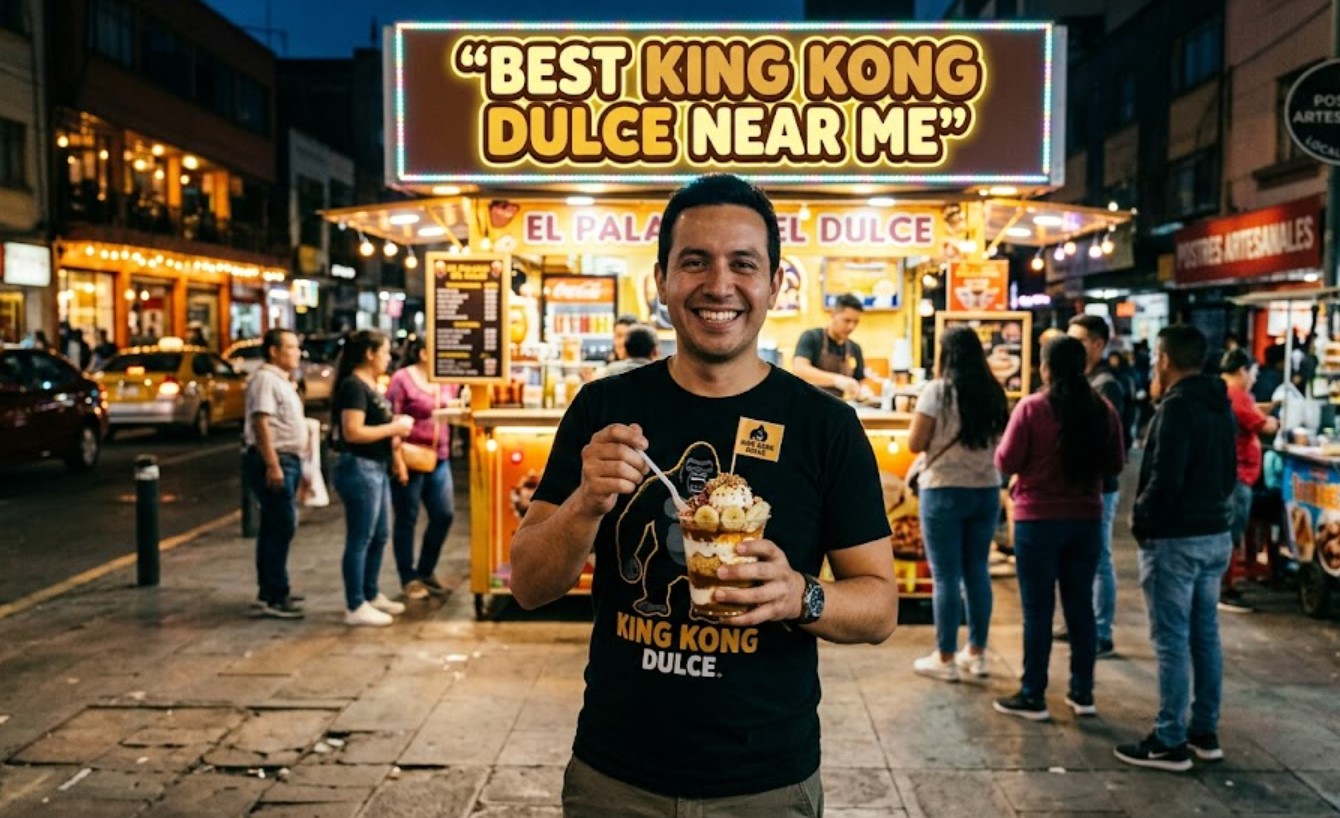
If you’ve been searching for the best King Kong dulce near me, you already know this legendary Peruvian and Colombian confection is unlike anything else in the world of traditional sweets. Whether you stumbled upon it at a local Latin market, received one as a gift, or spotted it at a specialty food festival, the hunt for an authentic King Kong is worth every effort. This guide will help you understand exactly what King Kong dulce is, why it’s so beloved, what to look for in a quality version, and the smartest ways to find one near you.
What Is King Kong Dulce?
King Kong dulce is a traditional layered sweet that originated in Lambayeque, Peru, and has since become a beloved treat across Latin American communities worldwide. It consists of thick layers of manjar blanco (a rich, creamy caramel similar to dulce de leche) sandwiched between soft, buttery shortbread-style cookies called galletas de mantequilla. Depending on the regional variation or the maker’s recipe, you might also find layers of fruit jam — pineapple and lucuma being the most popular — or dark chocolate glaze on the outside.
The name itself is a nod to the 1933 film King Kong, with the treat’s oversized, stacked appearance reportedly inspiring the playful comparison. Authentic King Kong dulces can weigh anywhere from 200 grams for a personal size to over a kilogram for a family-sized round, making it as much a visual spectacle as a culinary one.
In Colombian communities, a similar layered caramel cookie confection is sold under the same name and has its own devoted following, which is why searches for “King Kong dulce near me” are increasingly common in cities with large Latin American populations.
Why King Kong Dulce Is So Special
What sets a truly great King Kong dulce apart is the quality of its manjar blanco. Authentic manjar blanco is made by slow-cooking whole milk with sugar for hours until it thickens into a smooth, golden, deeply caramelized filling. It should be creamy — never grainy — and carry a warm, toasty sweetness that’s distinct from mass-produced dulce de leche.
The cookies themselves matter equally. They need to be tender enough to yield to the bite but sturdy enough to hold the layers together without crumbling. A good King Kong dulce should hold its shape when sliced, revealing clean, defined layers.
Poorly made versions cut corners with artificial flavoring, low-quality shortening, or fillings that are too runny or overly sweet. Once you’ve tasted an artisanal King Kong dulces made with real milk and butter, the difference is unmistakable.
Where to Find the Best King Kong Dulce Near You
Finding a high-quality King Kong dulce near you requires knowing where to look. Here are the most reliable places to search:
Latin American Grocery Stores and Supermarkets Your first stop should be any Latin American supermarket in your area. Look in the bakery section or the imported sweets aisle. Stores that cater specifically to Peruvian or Colombian communities are particularly likely to stock King Kong dulces, especially around holidays like Fiestas Patrias (Peruvian Independence Day in late July).
Specialty Bakeries and Panadería Many Latin bakeries (panaderías) that serve Peruvian or Colombian clientele produce their own in-house versions of King Kong dulce. These homemade or small-batch versions are often far superior to commercially packaged imports. Call ahead and ask — bakers are usually proud to discuss their recipes.
Latin Food Festivals and Cultural Events Check your city’s event calendar for Latin American food festivals, cultural fairs, or Peruvian heritage celebrations. Vendors at these events frequently sell traditional sweets including King Kong dulces, and you’ll have the opportunity to sample before you buy.
Online Marketplaces with Local Pickup Platforms like Goldbelly, Etsy, and even Facebook Marketplace have become popular channels for home bakers and small confectioners to sell traditional sweets locally. Searching “King Kong dulce [your city]” on these platforms can surface talented makers who don’t have a storefront.
Word of Mouth in Local Latin Communities Don’t underestimate the power of community knowledge. Local Facebook groups, WhatsApp communities, and neighborhood apps like Nextdoor often have members who know exactly which bakery or home cook makes the most authentic King Kong dulces in your area.
What to Look for When Buying King Kong Dulce
Here’s what to evaluate before you buy:
Ingredient Transparency — A reputable maker will use real milk, sugar, eggs, and butter. Avoid products with a long list of preservatives or artificial flavors, which indicate industrial production over artisanal care.
Texture — The manjar blanco should be firm enough to hold a clean layer but creamy when you bite in. The cookies should be soft with a slight crumble, not rock-hard or stale.
Flavor Balance — The sweetness should be rich but not cloying.
King Kong dulce made with real dairy has a shorter shelf life than shelf-stable imitations. Fresh is always better.
Size Options — Quality producers typically offer multiple sizes. If a vendor only sells one-size industrial rounds with no visible ingredient list, that’s a yellow flag.
Tips for Storing and Serving King Kong Dulce
Once you’ve found your ideal King Kong dulce, proper storage preserves its quality. Keep it in a cool, dry place away from direct sunlight. If your home is warm and humid, refrigerate it and allow it to come to room temperature for 15–20 minutes before serving — cold manjar blanco loses much of its silky texture.
King Kong dulces pairs beautifully with a strong cup of black coffee or a mild herbal tea. For a more indulgent experience, serve thin slices alongside fresh fruit or a scoop of vanilla ice cream.
Final Thoughts
The search for the best King Kong dulce near me is ultimately a search for authenticity, craftsmanship, and a genuine connection to Latin American culinary tradition. Whether you find it at a neighborhood panadería, a vibrant food festival, or through a small-batch maker online, a well-made King Kong dulces delivers layers of flavor and history in every bite. Use this guide to find, evaluate, and truly savor one of Peru and Colombia’s most cherished confections.
