

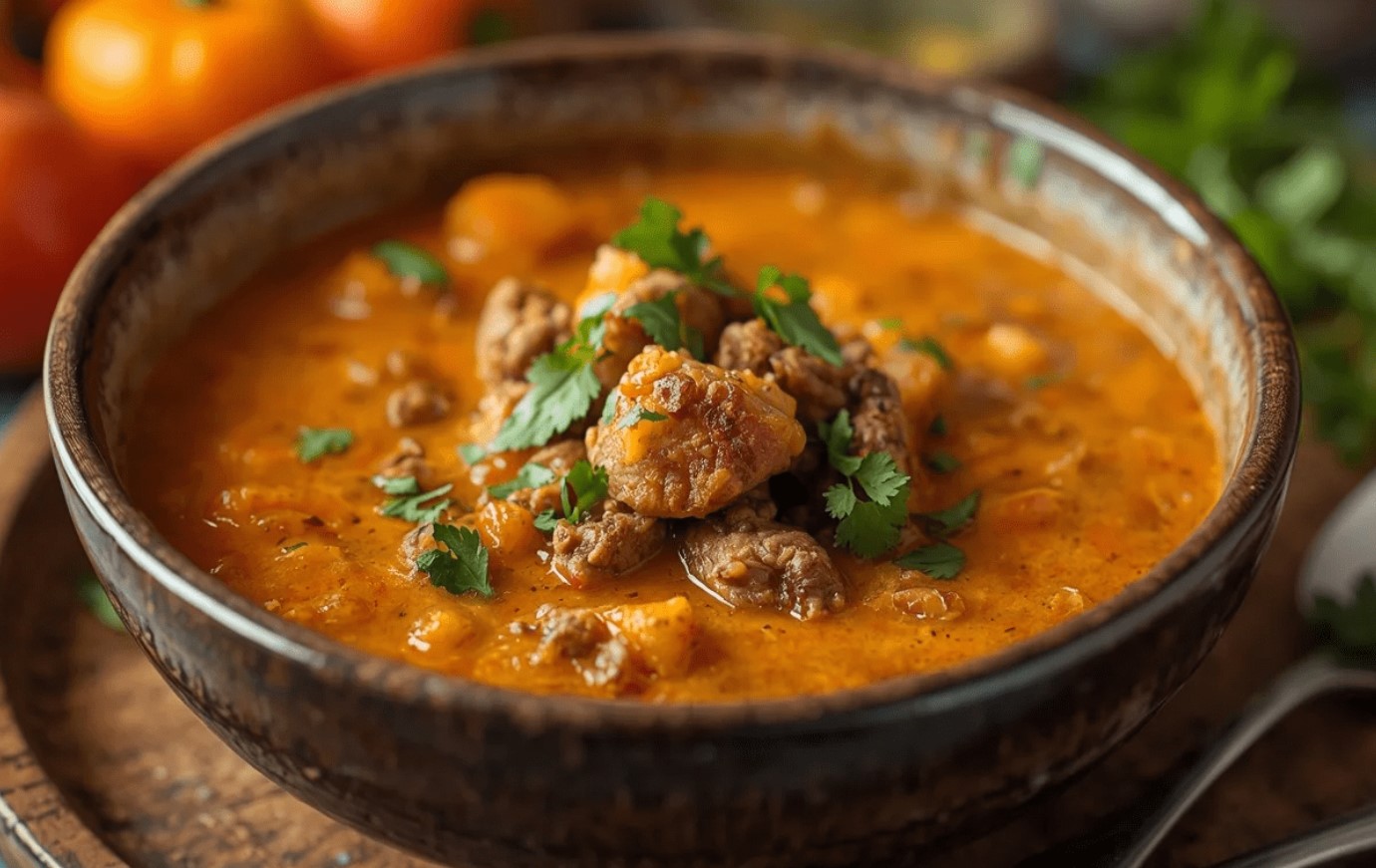
If you’ve ever tasted a bowl of locro de zapallo — that golden, thick, soul-warming stew from the Andes — you already understand why people search for it so passionately. And if you haven’t tried it yet, this guide will make sure your first experience is worth every spoonful.
Whether you’re a South American expat chasing a taste of home or a food adventurer ready to discover something new, finding the best locro de zapallo near you is easier than you might think — if you know what to look for.
What Is Locro de Zapallo?
Locro de zapallo (pronounced LOH-kroh deh sah-PAH-yoh) is a traditional Andean stew made primarily from zapallo — a type of South American pumpkin or butternut squash — combined with potatoes, corn, and cheese. It originates from the highland regions of Peru, Bolivia, Ecuador, and northern Argentina, where it has been a staple food for centuries, long predating Spanish colonization.
The dish is deceptively simple. What gives locro de zapallo its distinctive character is the combination of starchy, sweet zapallo with the creaminess of fresh cheese, the earthiness of potatoes, and the gentle heat of ají amarillo or rocoto pepper. A properly made version has a thick, porridge-like consistency — not watery, not gluey — with chunks of vegetable that retain their shape while melting into the broth.
In Peru, it’s often served with white rice on the side and a drizzle of salsa criolla. In Ecuador and Bolivia, you’ll find regional variations with different herbs, additional grains like quinoa, or a topping of heavy cream. Each version tells a slightly different story about the land and people who made it.
Why Locro de Zapallo Is Worth Seeking Out
Beyond its incredible flavor, locro de zapallo carries real nutritional substance. Zapallo is rich in beta-carotene, vitamin C, and dietary fiber. Potatoes provide complex carbohydrates and potassium. The fresh cheese adds protein and calcium. Together, this is a dish that Andean farmers and workers have relied on for energy and sustenance through cold mountain winters — and that heritage shows in how satisfying it feels.
It’s also one of the most accessible traditional Andean dishes for people who don’t eat meat. Locro de zapallo is naturally vegetarian and can be made vegan with simple substitutions. At a time when plant-forward eating is increasingly popular, this centuries-old comfort food fits right in.
How to Find the Best Locro de Zapallo Near You
1. Search Beyond “South American Restaurant”
When looking for locro de zapallo locally, avoid generic searches and get specific. Try search terms like “Peruvian restaurant near me,” “Bolivian food near me,” “Ecuadorian cuisine,” or “Andean food.” Apps like Google Maps, Yelp, and TripAdvisor allow you to search dish names directly in reviews — type “locro de zapallo” into the search bar within those platforms to surface restaurants where diners have specifically mentioned it.
2. Check the Menu for Regional Markers
Authentic restaurants that serve locro de zapallo tend to also feature other traditional Andean dishes: lomo saltado, ceviche, seco de pollo, or chicharrón de cerdo. If the menu reads like a genuine regional kitchen — not a pan-Latin fusion hodgepodge — that’s a positive sign. Look for handwritten specials boards or rotating seasonal menus; locro de zapallo is often a weekend or seasonal item in diaspora restaurants.
3. Visit Latin American Community Markets
In many cities, the best traditional cooking hides not in formal restaurants but in weekend markets, community food events, and family-run lunch counters attached to Latin grocery stores (often called mercados or tiendas). These informal settings frequently offer home-style locro de zapallo that rivals — or surpasses — anything on a restaurant menu.
4. Ask the Community
Online communities are invaluable for this kind of search. Reddit communities like r/PeruvianFood or r/LatinAmerica, local Facebook groups for South American expats, and neighborhood-specific apps like Nextdoor are full of people who know exactly where to find authentic locro de zapallo in your city. A single well-placed question can yield personal recommendations that no algorithm can match.
5. Call Ahead and Ask
Don’t assume locro de zapallo will always appear on a printed menu. Many Andean restaurants rotate dishes by the day or week. Call ahead, mention the dish by name, and ask when they serve it. This approach works especially well at smaller, family-operated establishments where the cook prepares what they know best — and they’ll appreciate that you asked specifically.
What to Look For in a Great Bowl
When your locro de zapallo finally arrives, here’s how to evaluate it:
Color and texture: The stew should be a deep amber or golden orange from the zapallo. The consistency should be thick and creamy — a spoon drawn through it should leave a brief trail.
The zapallo itself: Properly cooked zapallo should be partially dissolved into the broth, thickening it naturally, with a few intact chunks for texture. If it tastes raw or is entirely whole, it was undercooked.
The cheese: Traditional locro de zapallo’s uses fresh, slightly salty cheese — queso fresco or queso blanco. It should be stirred in near the end so it softens rather than fully melts.
Seasoning and aromatics: The base should be built on sautéed garlic and onion, with the warmth of ají amarillo or a local equivalent. It should taste rounded and layered, not flat or one-note.
Accompaniments: In Peru, rice and salsa criolla are classic. In other traditions, you might get crusty bread, potatoes, or a simple salad. The sides should complement, not overwhelm.
When You Can’t Find It Locally
If your search comes up empty, don’t give up — this is a dish you can make at home with widely available ingredients. Butternut squash is the closest substitute for zapallo found in most supermarkets. Yukon Gold potatoes work beautifully. Queso fresco is stocked at most Latin grocery stores or large supermarkets. A simple recipe requires nothing more than these basics, plus onion, garlic, corn, oil, and a mild chili pepper.
Making your own locro de zapallo is also a genuine way to connect with the dish’s history and understand why generations of Andean families have returned to it again and again.
Final Thoughts
The best locro de zapallo near you is out there — in a family-run Peruvian lunch spot, at a weekend market stall, or simmering at home in someone’s kitchen right now. It’s a dish that rewards curiosity, patience, and a willingness to look beyond the obvious. When you find it, you’ll understand immediately why it has endured for centuries.
So search specifically, ask your community, explore the unexpected corners of your city’s food scene — and when you sit down with that first bowl of golden, creamy locro de zapallo’s, savor every spoonful.
