

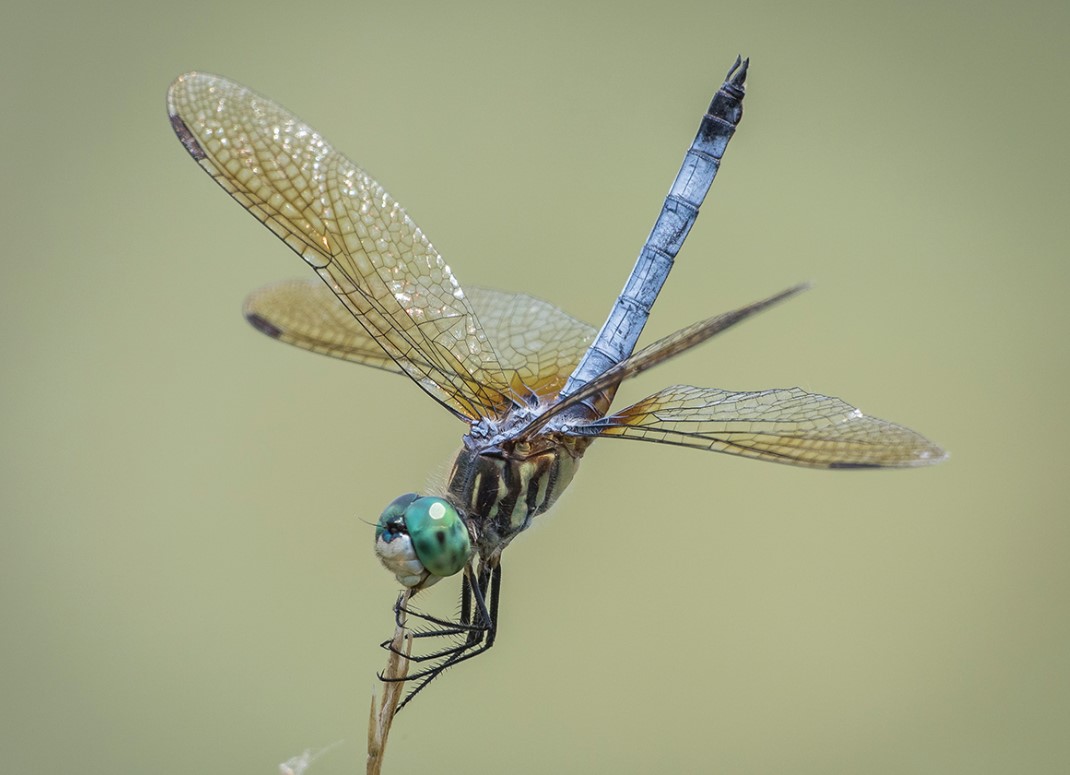
Few creatures in the natural world carry as much symbolic weight as the dragonfly. With its iridescent wings, lightning-fast flight, and ancient lineage stretching back over 300 million years, the dragonfly has captivated human imagination across every continent and culture. Whether you’ve spotted one hovering near a pond or had one land unexpectedly on your hand, understanding the dragonfly meaning can offer surprising insight into themes of transformation, adaptability, and self-awareness.
What Does a Dragonfly Symbolize?
At its core, the dragonfly is a universal symbol of change and transformation. This dramatic metamorphosis makes the dragonfly one of nature’s most powerful metaphors for personal growth and reinvention.
Beyond transformation, dragonflies are widely associated with:
- Adaptability — They are agile fliers capable of moving in all six directions, symbolizing the ability to navigate life’s challenges with grace.
- Self-realization — In many traditions, the dragonfly represents the moment when illusion gives way to truth.
- Living in the present — With an adult lifespan of just a few weeks, the dragonfly is a potent reminder to embrace the now.
- Light and joy — Their wings refract sunlight in brilliant colors, often connecting them to themes of positivity and emotional lightness.
Dragonfly Meaning Across Cultures
Native American Traditions
Among many Native American tribes, the dragonfly holds deep spiritual significance. The Navajo people associate it with water and purity, often incorporating dragonfly imagery into pottery, jewelry, and sand paintings.
Japanese Culture
In Japan, the dragonfly — known as tombo — is one of the most beloved national symbols. Japanese samurai revered the dragonfly as a symbol of strength, agility, and victory in battle. Even today, dragonflies appear frequently in haiku poetry, summer festivals, and traditional artwork, often representing autumn, perseverance, and the fleeting beauty of life.
European Folklore
European interpretations of the dragonfly have historically been more ambivalent. In parts of medieval Europe, dragonflies were sometimes called “devil’s darning needles” and associated with dark omens. However, in Celtic traditions, the dragonfly was linked to the fairy realm — creatures that could pierce the veil between the physical and spiritual worlds. Over time, the more positive symbolism of transformation and light has come to dominate modern Western interpretations.
Chinese Symbolism
In Chinese culture, the dragonfly represents harmony, prosperity, and good luck. It is often depicted alongside lotus flowers in classical art, reinforcing themes of purity rising from murky beginnings — a fitting parallel to the dragonfly’s aquatic origins.
Dragonfly Meaning in Spirituality and Dreams
Spiritual Meaning
Many spiritual practitioners believe the dragonfly appears as a messenger urging you to:
- Look beyond surface appearances and seek deeper truths in your life.
- Release emotional weight that is holding you back, much as the dragonfly sheds its larval body.
Some also believe that a dragonfly appearing after the loss of a loved one carries a message of peace — a sign that the departed soul is at rest and watching over the living.
Dragonfly Meaning in Dreams
Dreaming of a dragonfly is generally considered a positive omen. Dream analysts and spiritual guides commonly interpret the dragonfly in dreams as:
- A signal that a significant personal transformation is underway or approaching.
- An encouragement to pursue joy and live more authentically.
The color of the dragonfly in a dream can add nuance: blue dragonflies often represent calm and clarity; green ones symbolize healing and renewal; golden or yellow dragonflies point to wisdom and abundance.
The Dragonfly as a Spirit Animal or Totem
In the tradition of spirit animals and totem animals — concepts drawn largely from various Indigenous cultures — the dragonfly as a personal totem suggests a person who is deeply intuitive, emotionally mature, and capable of great adaptability. If the dragonfly is your spirit animal, you likely possess an innate ability to see through illusions, pivot gracefully in the face of change, and inspire others with your energy and creativity.
Those guided by the dragonfly totem are often:
- Highly sensitive to the emotional undercurrents around them.
- Drawn to water, art, and creative expression.
- Natural agents of positive change in their communities.
Why the Dragonfly’s Meaning Still Resonates Today
In an era of rapid change, the dragonfly’s symbolism feels more relevant than ever. Its message — that transformation, though often difficult, leads to something luminous and free — speaks to anyone navigating transition, loss, or reinvention. The dragonfly does not simply survive its metamorphosis; it emerges as one of the most efficient, graceful, and beautiful creatures on earth.
Whether you approach the dragonfly meaning through a cultural, spiritual. Or purely reflective lens, the invitation is the same.
Final Thoughts
The dragonfly is far more than a beautiful insect. Across centuries and civilizations, it has served as a mirror reflecting humanity’s deepest hopes — for growth, for clarity, and for lives lived with purpose and joy. The next time a dragonfly crosses your path, pause for a moment. It may be carrying a message worth hearing.
